

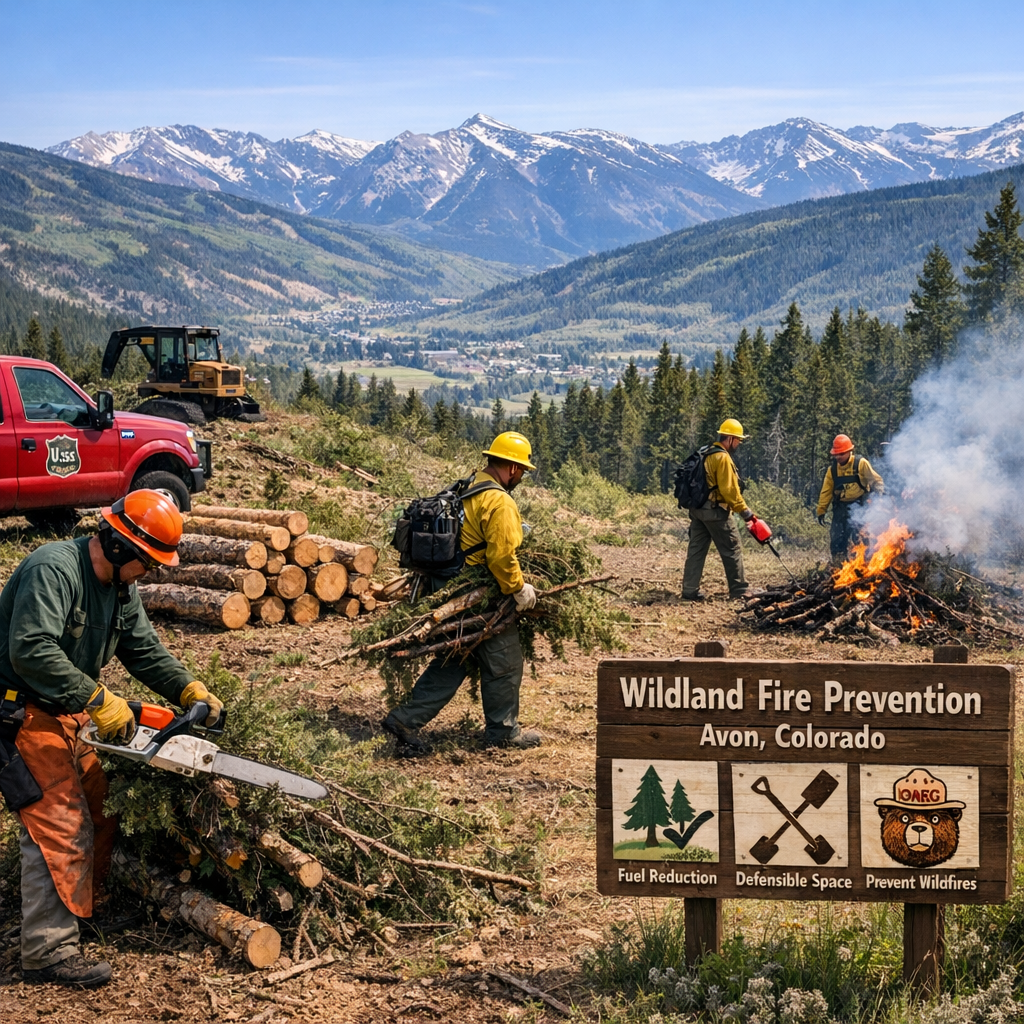
Here in Avon, our connection to the mountains is deep—and right now, the environment that shapes our daily life is under strain. From shrinking snowpacks to rising wildfire danger, several long-term shifts are interacting to alter not just how we enjoy this place, but how we must live in it.
Drought in Our Valley: More Than a Summer Worry
The Eagle County area—including Avon—is currently grappling with serious drought. Recent reporting from the U.S. Drought Monitor shows that 100% of county residents are affected. Rainfall has been far below averages, especially during summer months, and snowpack—our primary water source—remains low. This increases demand for both outdoor watering and snowmaking, and puts pressure on water supplies for all uses.
Adapting to Dryer Times: Town Actions & Everyday Choices
In response, the Town of Avon has implemented several conservation measures. Parks and public landscapes are now irrigated just once per week to reduce water usage. The town is also deferring new turf areas and switching to drought-tolerant plantings. Public campaigns remind residents that small adjustments—like watering in early morning, fixing leaks, and choosing native plants—can make a big difference.
Wildfire Risk: A Mountain Reality
Avon sits entirely within what’s known as the Wildland-Urban Interface (WUI)—areas where buildings meet natural vegetation, meaning wildfire vulnerability is high. Recognizing this, we’ve updated our municipal codes (Ordinance 26-05 effective June 2026) to require fire-resistant materials, landscaping that creates defensible space, and stronger building standards for new construction and remodels.
Snow, Seasons & Shifting Climates
Beyond water scarcity and wildfire risk, Avon’s seasonal rhythms are shifting. Less winter snow, more precipitation falling as rain, and a longer growing season are among the projections. For residents, this means snowmakers, gardeners, and ski-area workers are already feeling changes. As winters warm, snowmobiling and deep snowpack fade; summers may bring more intense afternoon rainstorms and the risk of erosion.
Why It Matters & What We Can Do
These patterns aren’t abstract—they affect public health, infrastructure, and daily life. Wildfire smoke threatens air quality; low water levels constrain recreation, landscaping, and snow sports; warmer winters shift our energy demands and even risk local species.
Individual and community actions add up. Protecting natural buffers (riparian zones), using less water, keeping buildings compliant with newer codes, and supporting renewable energy are practical ways to reduce harm and build resilience.
Looking Forward: Living Resiliently in Avon
As climate pressures grow, Avon’s future depends on preparation and adaptation. Town planning, community education, and alignment between local policies and state environmental goals are essential. Whether you’re a longtime native or recent arrival, we all benefit by understanding what’s changing—and why acting now matters.